

In This Article
Interior design is entering one of its most expressive and technologically agile phases yet. As we move from 2025 into interior design trends for 2026, the way we shape our homes is shifting from what looks good to what feels good, works well and ages intelligently. The last year saw the rise of warm neutrals, minimal maximalism, arches, earthy textures and multi purpose rooms. Many of these are staying, but they are evolving at a faster and more intentional pace.
2026 brings a fresh wave of trends driven by emotional design, craft revival, climate awareness and next generation technology. Expect homes to become more tactile, more personal and far more responsive to the way we actually live. Here is a complete forecast of everything that is continuing, maturing or emerging in the year ahead.
Design trends continuing from 2025
Multi purpose interiors
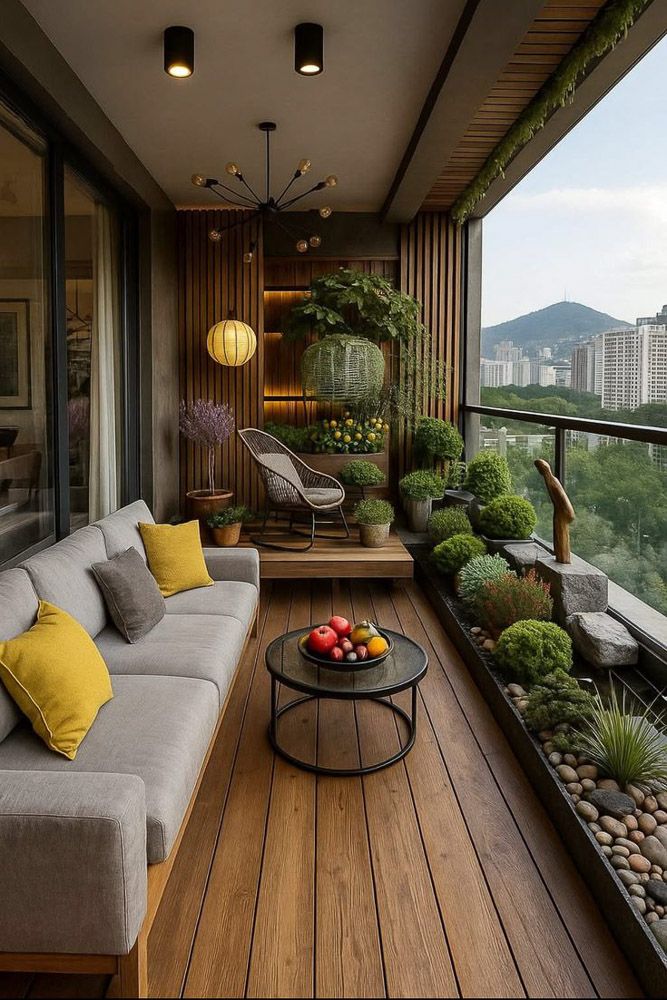
Multi functional rooms are becoming more sophisticated. With hybrid work still common, 2026 homes are embracing multi mood spaces that shift lighting, layout and storage based on how the room is used. Foldaway study pods, modular dividers, sliding panels and sofa to daybed systems are becoming staples. The goal is efficiency without visual clutter.
Curves and arches
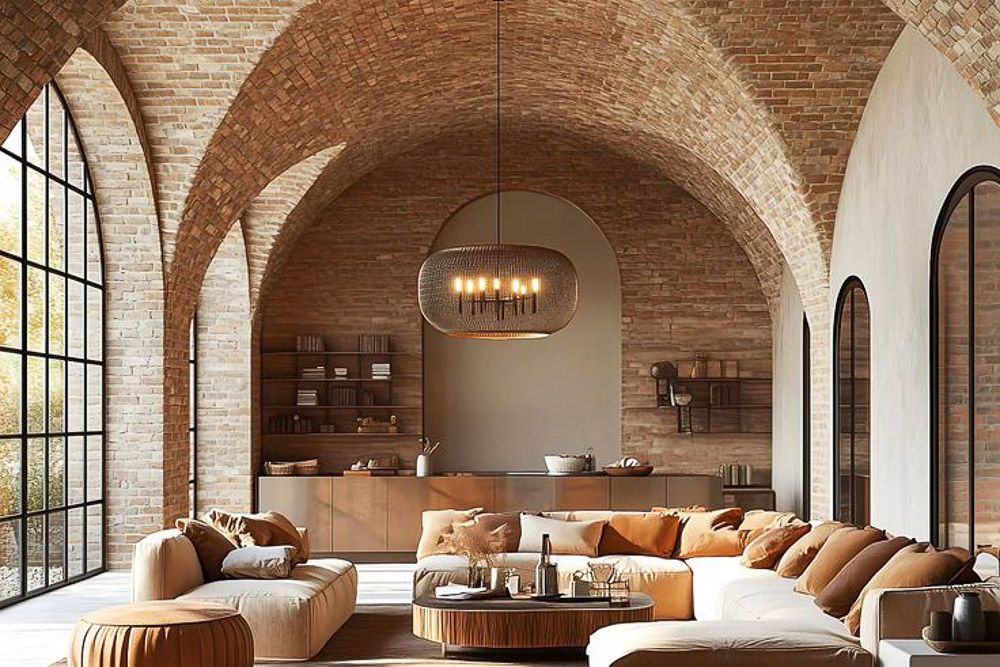
Curves are moving from playful accents to architectural features. Expect arched walkways in place of stiff doorframes, curved kitchen islands, rounded shelving and scalloped edges executed in materials like microcement, lime plaster and engineered stone. The aesthetic has matured into something cleaner and more structural.
Sustainability and natural materials
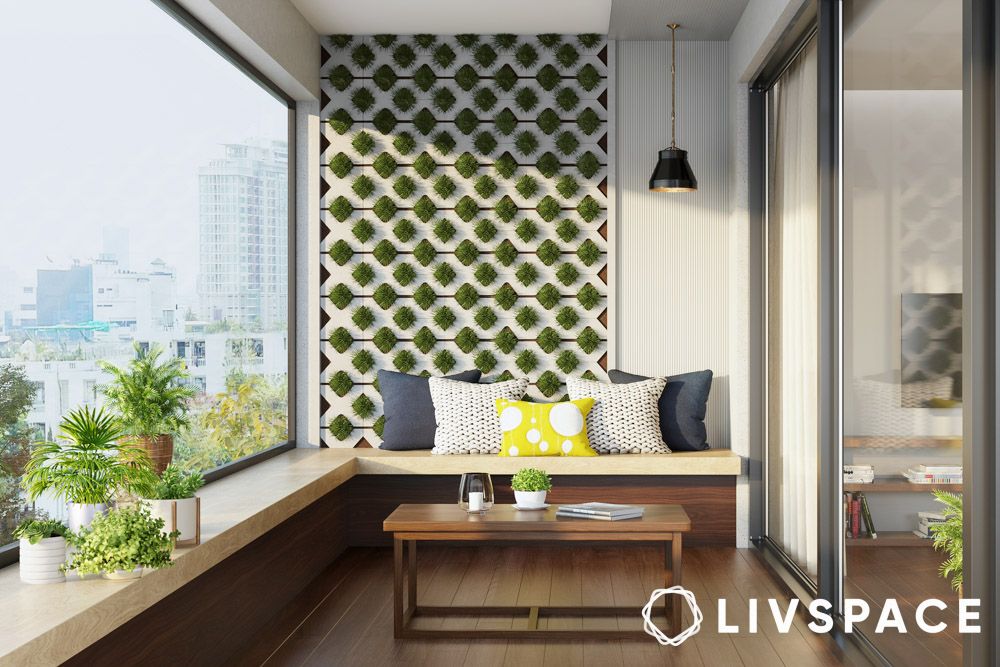
Sustainable design is now non-negotiable. Homeowners are seeking FSC certified wood, clay based paints, bamboo ply, hemp textiles, recycled terrazzo and bio resins. Low VOC finishes, plant based fabrics and ethical sourcing are becoming key considerations across urban Indian homes.
Climate consciousness is driving decisions beyond just material choices. “We’re seeing a rise in organic textiles, low-VOC paints, reclaimed wood, and materials like bamboo, jute, and cane,” says Rashmi Singh, Senior Stylist at Livspace. “But it goes deeper. Energy efficiency through LED lighting and smart home systems, passive cooling with stone floors and lime plaster walls, and cross-ventilation planning are all becoming standard considerations, especially in India.”
Layered lighting
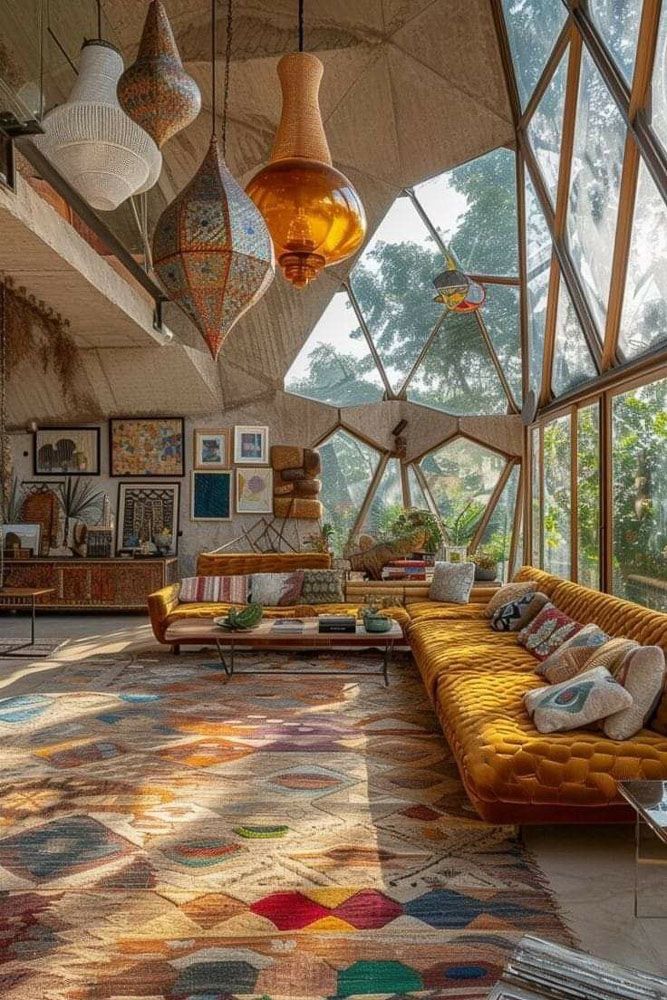
Lighting design is becoming more precise with tunable white systems, concealed linear strips, panel backlighting and wall grazers that create mood shifts throughout the day. Smart lighting ecosystems focus on circadian rhythm support and energy efficiency rather than decoration alone.
Minimal maximalism
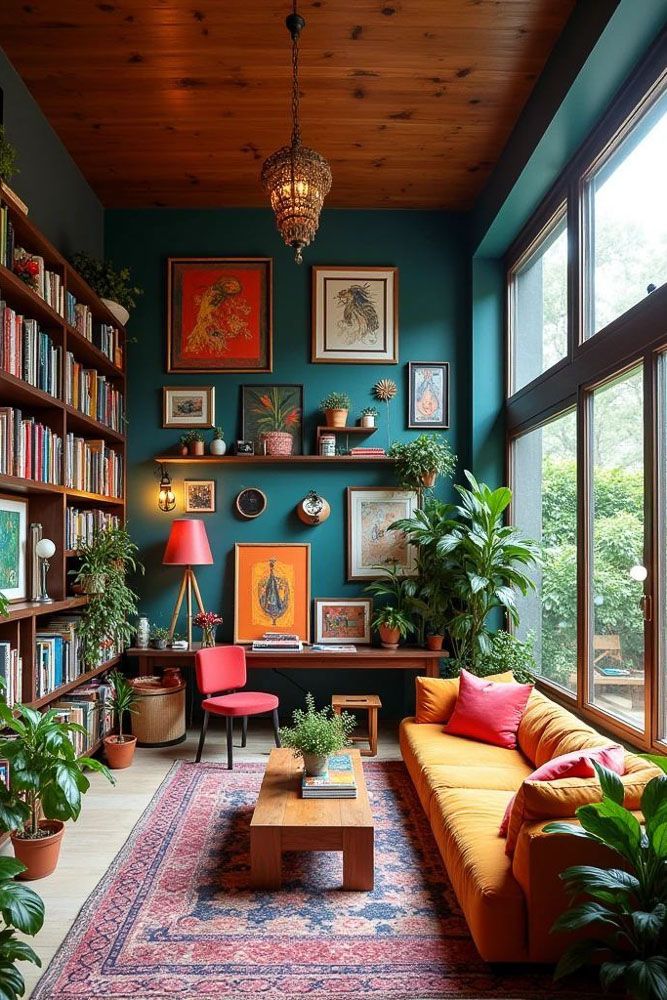
Minimal maximalism continues, now with more restraint. Instead of loud colour or heavy patterns, the focus is on rich textures, artisan pieces, sculptural décor and curated layers. The palette stays neutral but the depth comes from materials and craftsmanship rather than clutter.
This evolution represents what industry insiders call “warm minimalism becoming the new comfort language,” built on creamy beiges, warm whites, natural woods and sculptural décor objects. It’s about longevity over fast décor, with people buying fewer, long-lasting pieces with timeless silhouettes instead of chasing seasonal styles.
Also Read: 6 Maximalist Home Decor Ideas From Sonam Kapoor’s House That You Can Follow
Natural lighting integration
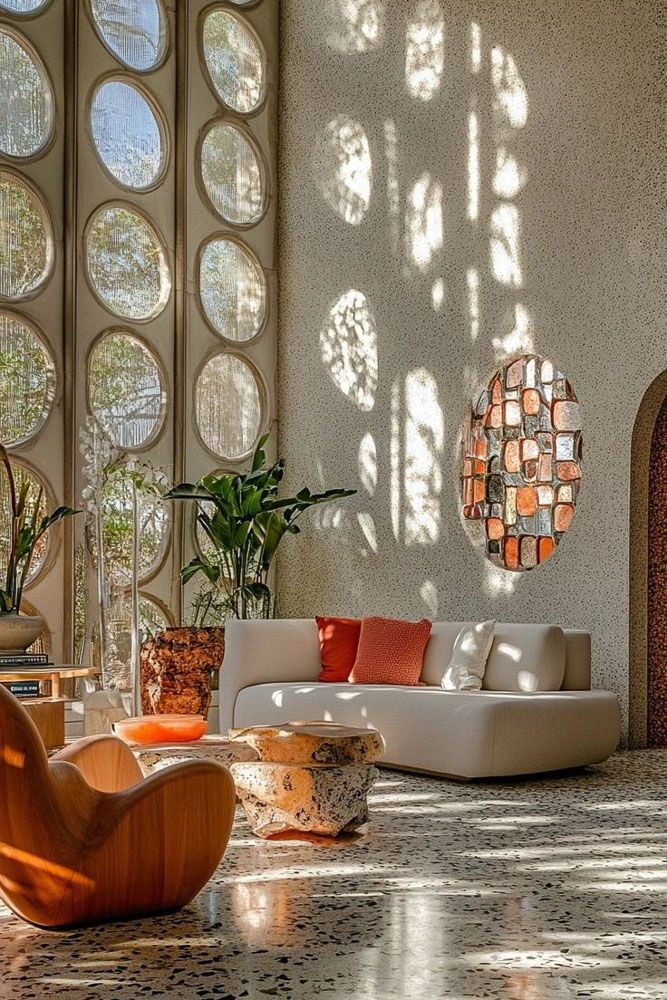
Architects are prioritising daylight through optimised window placement, clerestory openings, light wells and translucent partitions. There is renewed interest in passive daylighting, which can reduce artificial light dependence by up to 40 percent in compact city homes.
10 new interior design trends for 2026
1. Grandmillennial style (Granny Chic 2.0)
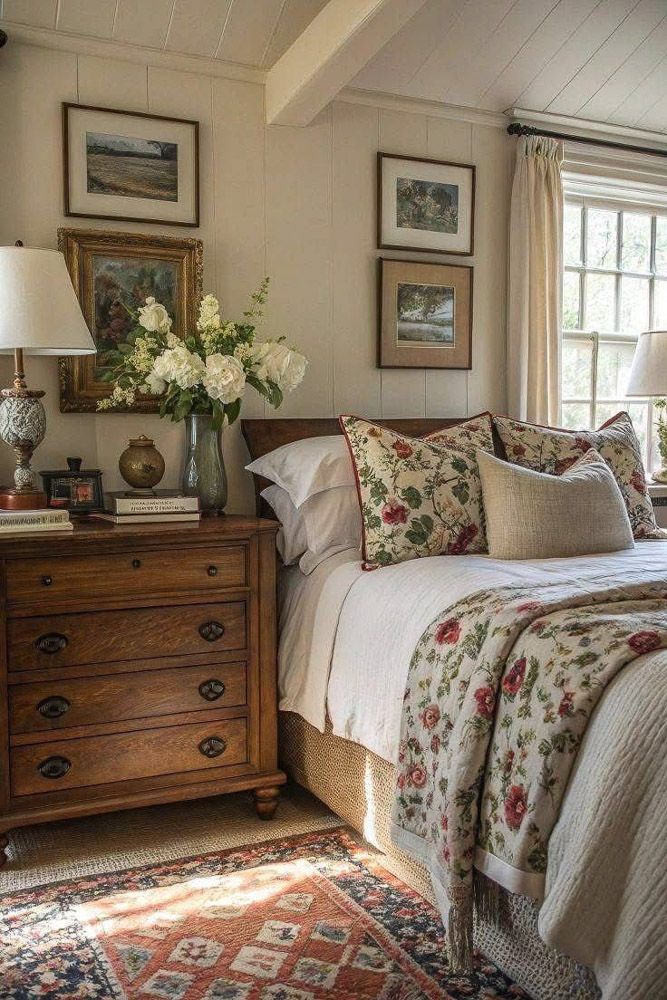
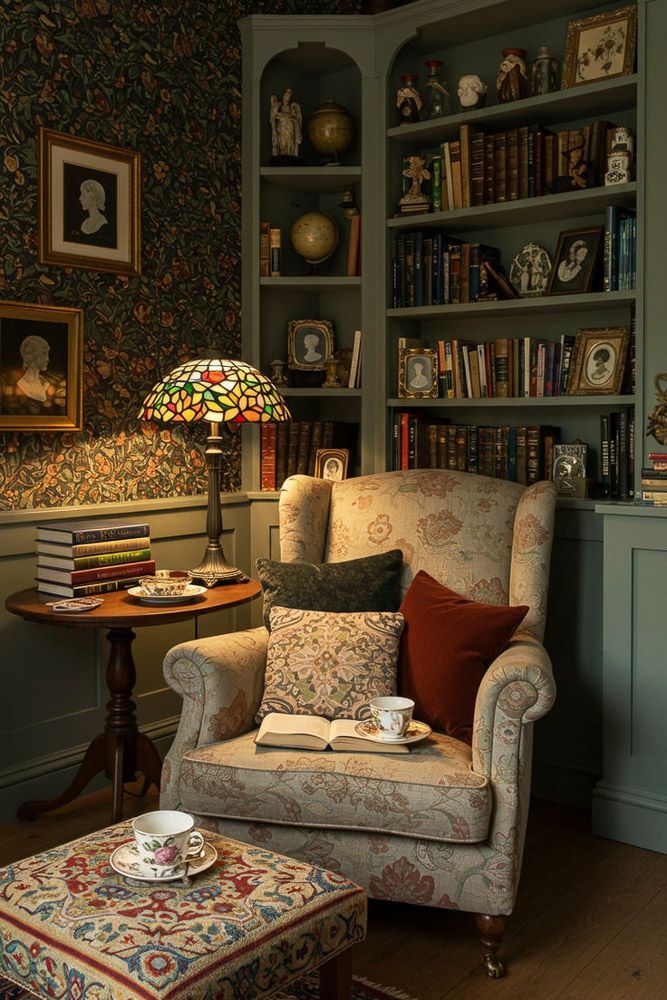
Grandmillennial design is returning with a cleaner, fresher twist. Think floral prints, embroidered cushions, pleated lampshades and vintage inspired upholstery, but paired with contemporary furniture silhouettes. This version celebrates nostalgia without leaning into clutter. A single chintz print against modern wood or metal finishes is often enough to bring the look together.
2. Dopamine decor
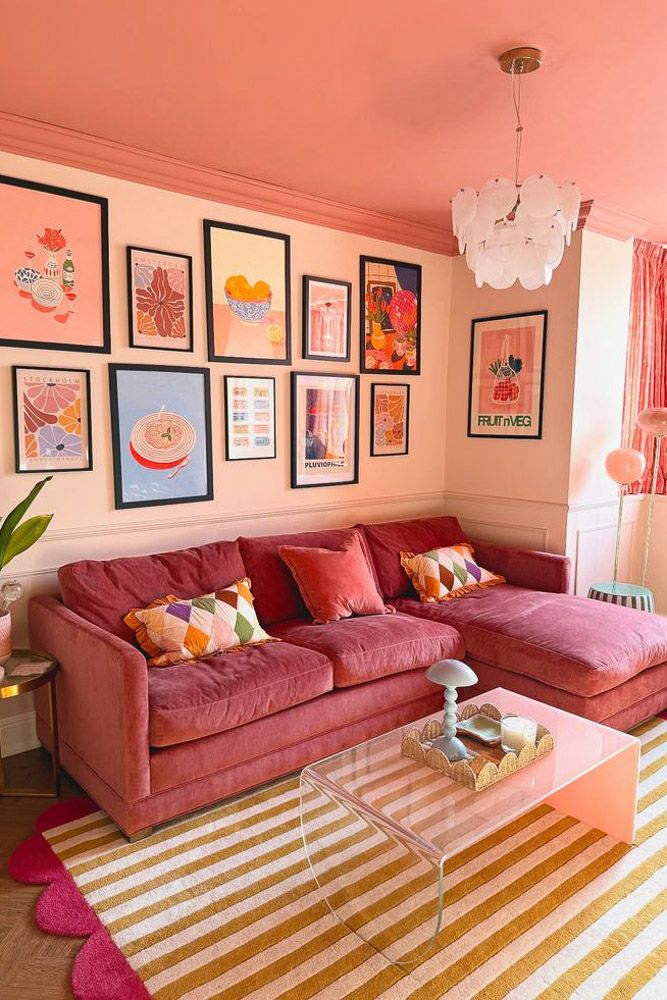
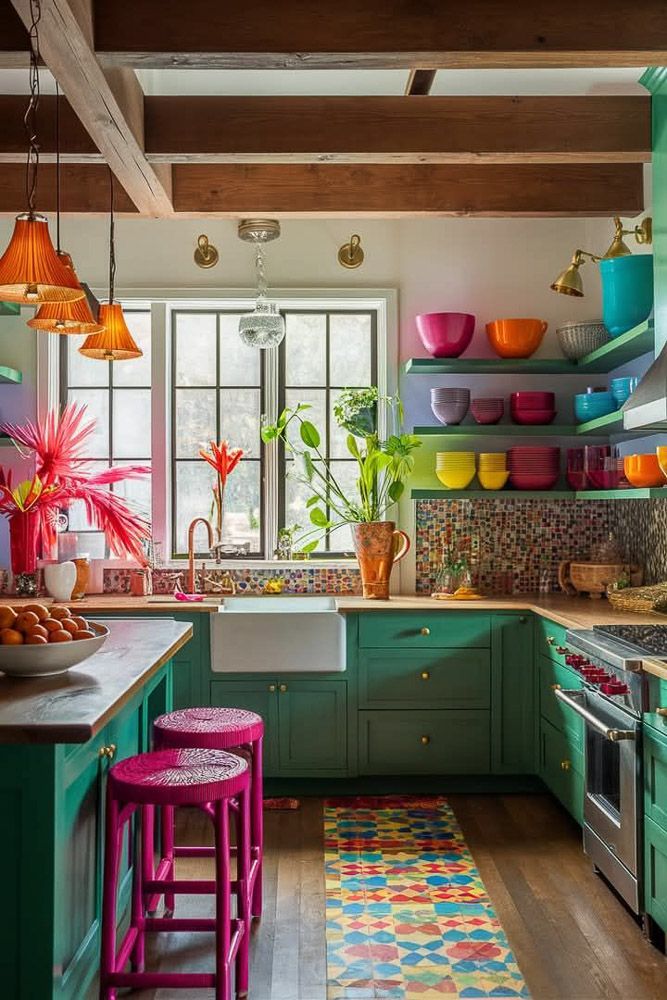
2026 is embracing colour that sparks joy. Dopamine décor uses bright, mood boosting hues like citrus green, sunshine yellow and vivid blue to create positive emotional impact. Research in colour psychology supports the effect of saturated tones on wellbeing. Incorporating coloured glassware, cheerful rugs, playful art or accent walls is an easy way to try the trend.
3. Acoustic design elements
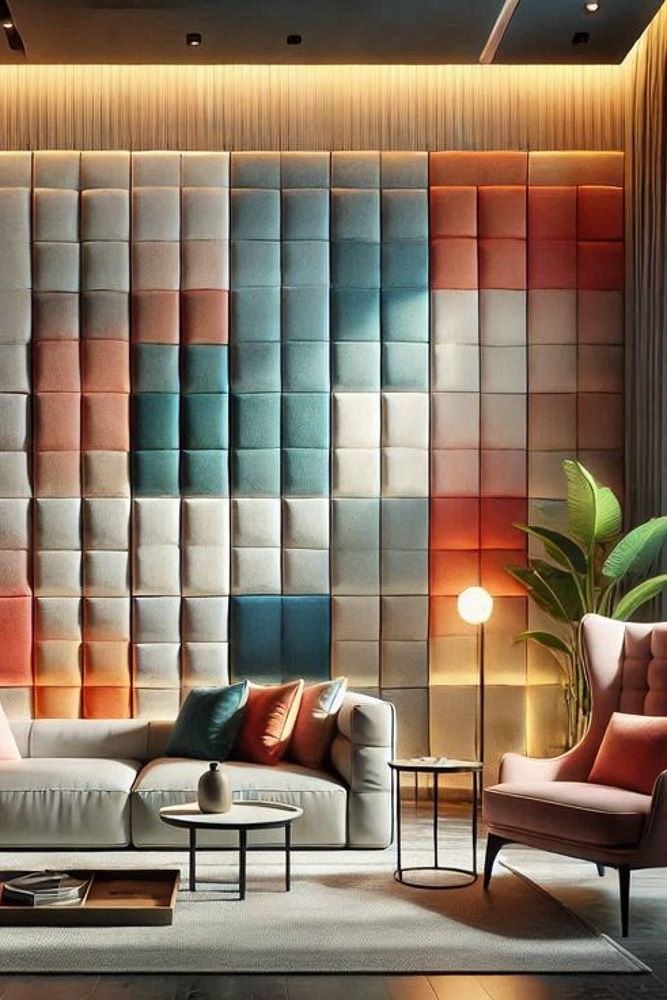
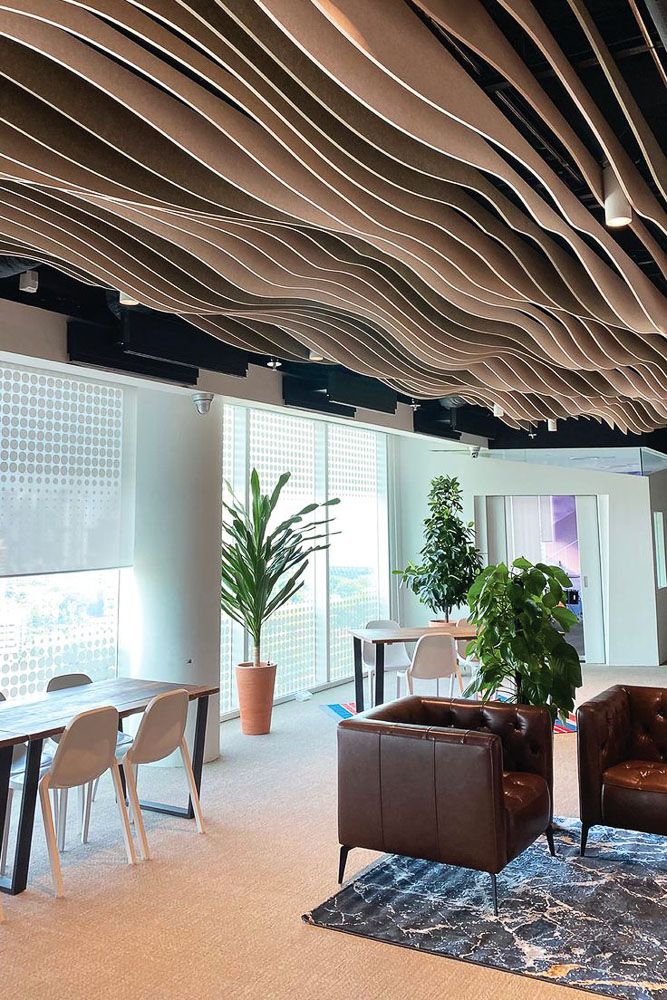
Noise pollution in cities has pushed acoustic interiors to the forefront. Homes are adopting textured panels, cork tiles, fabric wrapped walls, slatted wood baffles, upholstered headboards and acoustic curtains. The focus is on improving sleep, comfort and focus. Sound absorbing rugs and dual layer drapes will become more popular in small flats.
4. Japandi maximalism
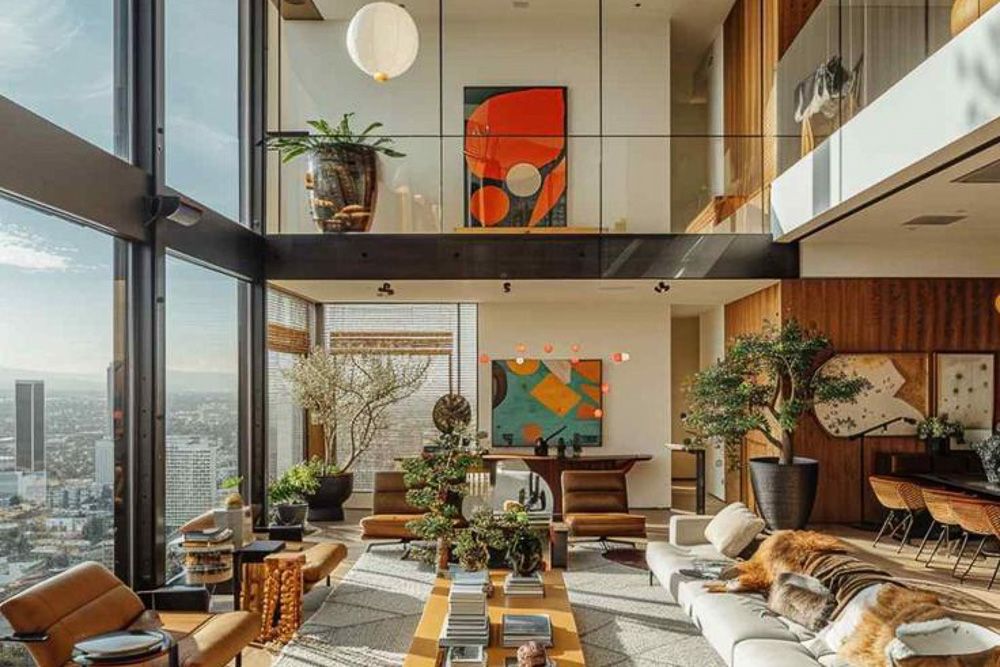
Japandi maximalism blends the serenity of Japanese minimalism with the warmth and layering of Scandinavian maximalism. Expect neutral palettes with large sculptural vases, woven textures, oversized ceramics, layered textiles and natural light as a core design tool. The look feels restful but visually rich.
Also Read: Scandinavian Style Home Decor: The Art of Zen
5. Smart kitchens 2.0
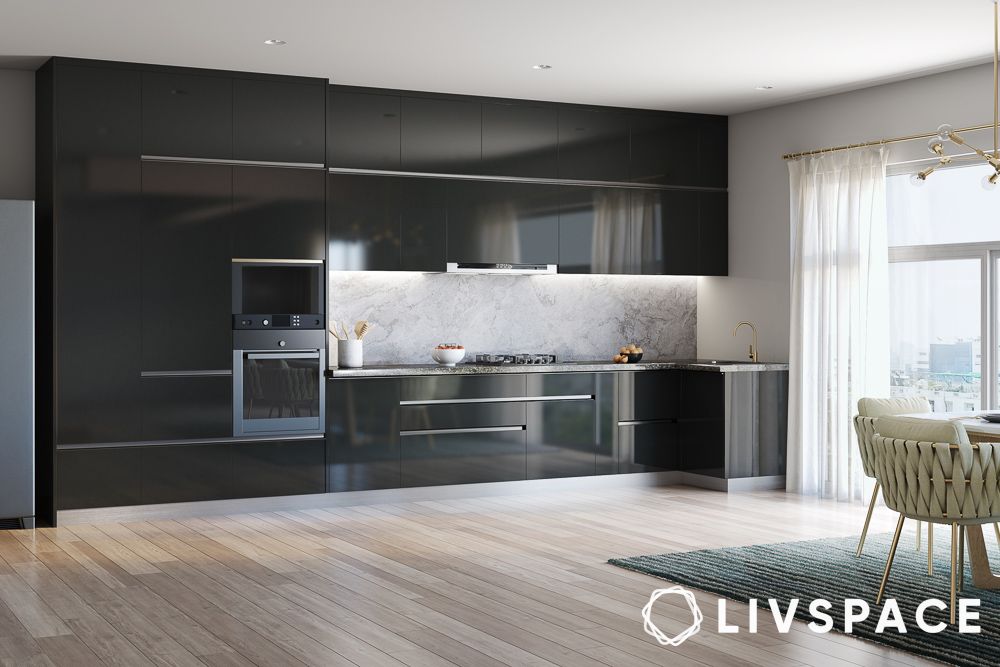
Smart kitchens are becoming truly intelligent. AI driven appliances can suggest recipes based on fridge contents, taps respond to voice commands, drawers open with touchless sensors and cooktops now come with inbuilt safety monitors. Homeowners are prioritising energy efficiency, compact vertical storage and antimicrobial finishes.
6. Terracotta renaissance
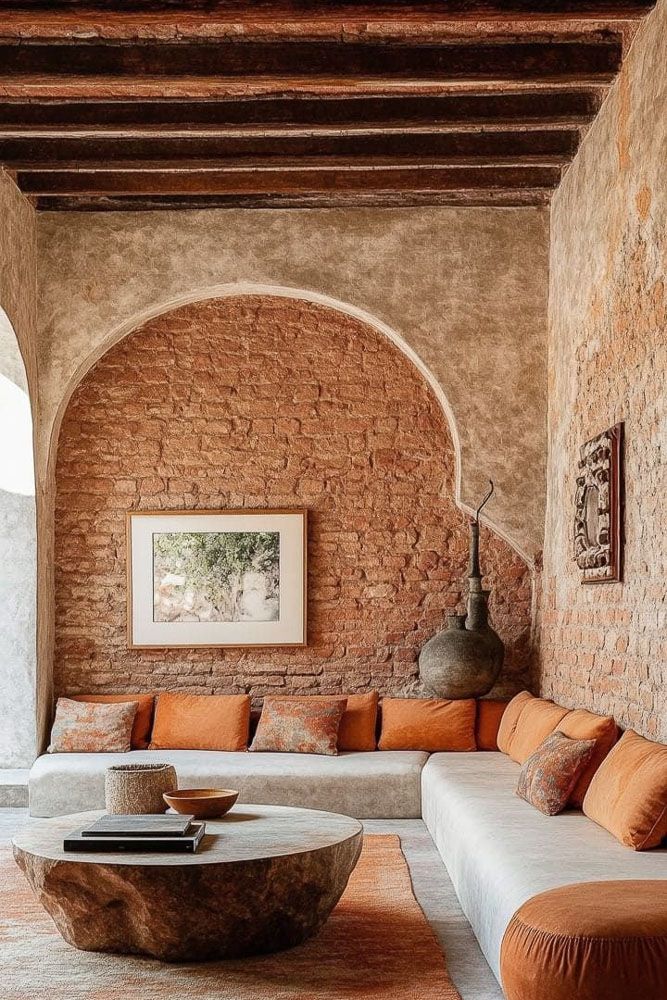
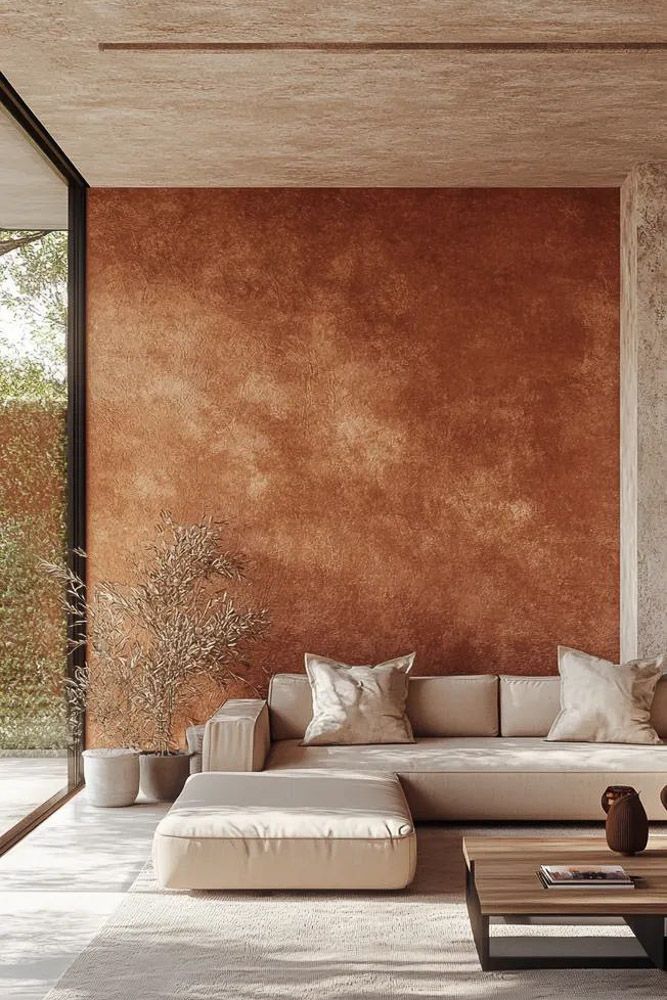
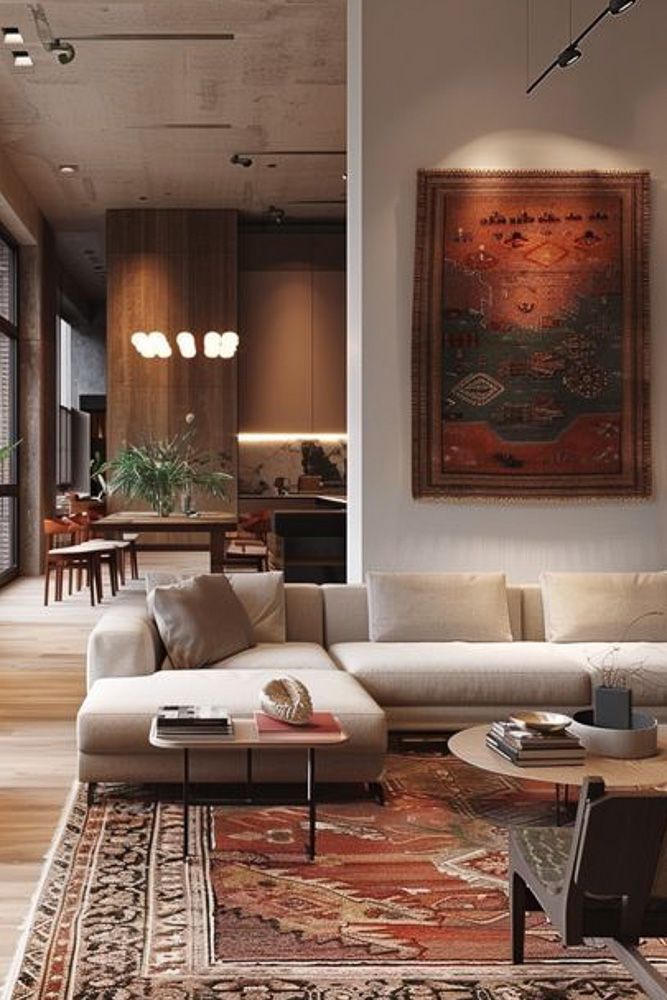
Terracotta tones and materials are having a major resurgence. Beyond pots, terracotta appears on textured walls, floor tiles, lamp bases, tableware and sculptural furniture. Its earthy warmth works beautifully with both neutral and dopamine driven palettes. Limewash terracotta walls are especially trending for living rooms.
This shift is part of a broader colour evolution. “We’re moving from soft pastels into deep naturals,” says Sunanda Pandey, Senior Stylist at Livspace. “Tones like sage, terracotta, mustard, indigo, teak and coconut brown have more weight and presence. These neutrals add instant cosiness without cluttering the visual palette, and they’re distinctly relatable to Indian homes while being globally on trend.”
7. Biomorphic furniture
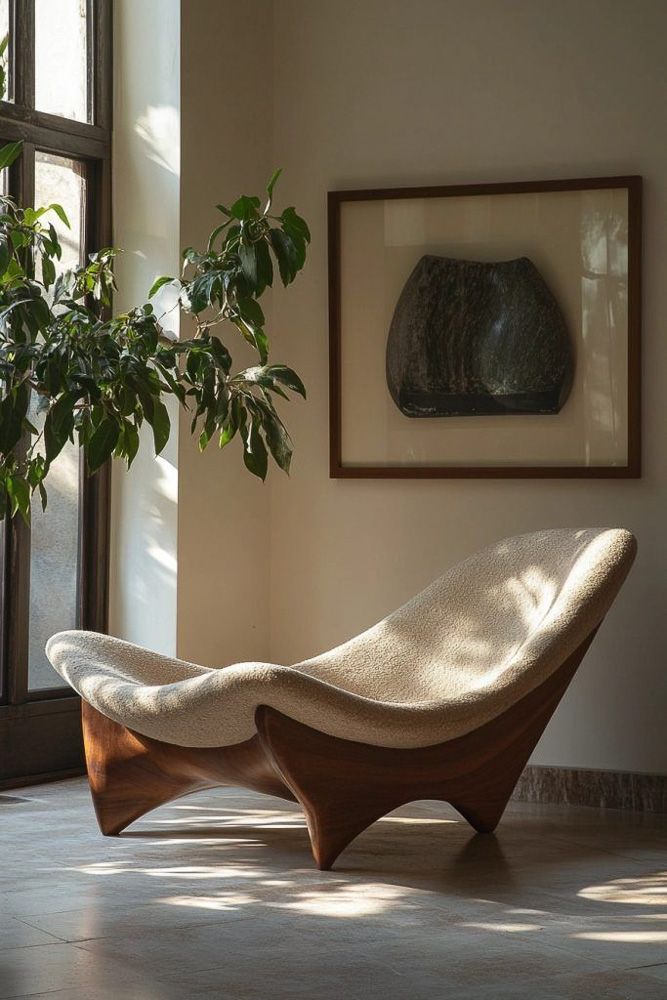
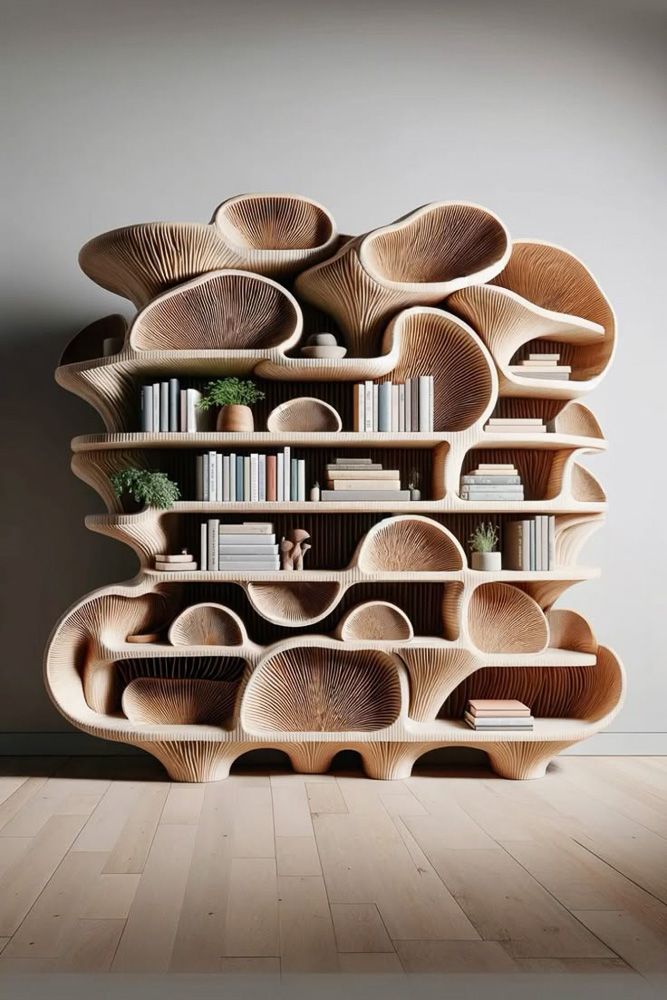
Nature inspired, soft edged furniture continues to dominate international design fairs. Expect cloud like sofas, pebble shaped tables, wave edged consoles and organically sculpted chairs. These forms soften the rigidity of modern homes and add tactile comfort without overwhelming the space.
8. Climate responsive design
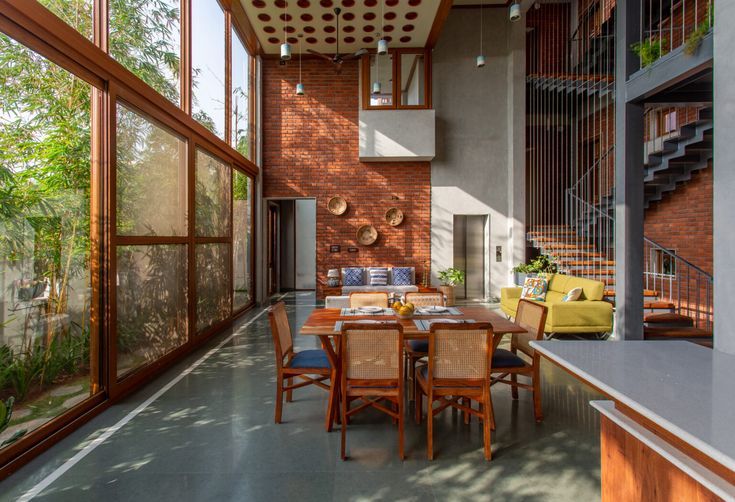
India’s climatic diversity has made passive cooling and energy conscious architecture more relevant than ever. Expect deeper balconies, jaali screens, cross ventilation strategies, reflective roof coatings, insulated glazing and materials that reduce heat gain. Climate adaptable design is becoming a central requirement rather than an afterthought.
9. Artisan maximalism
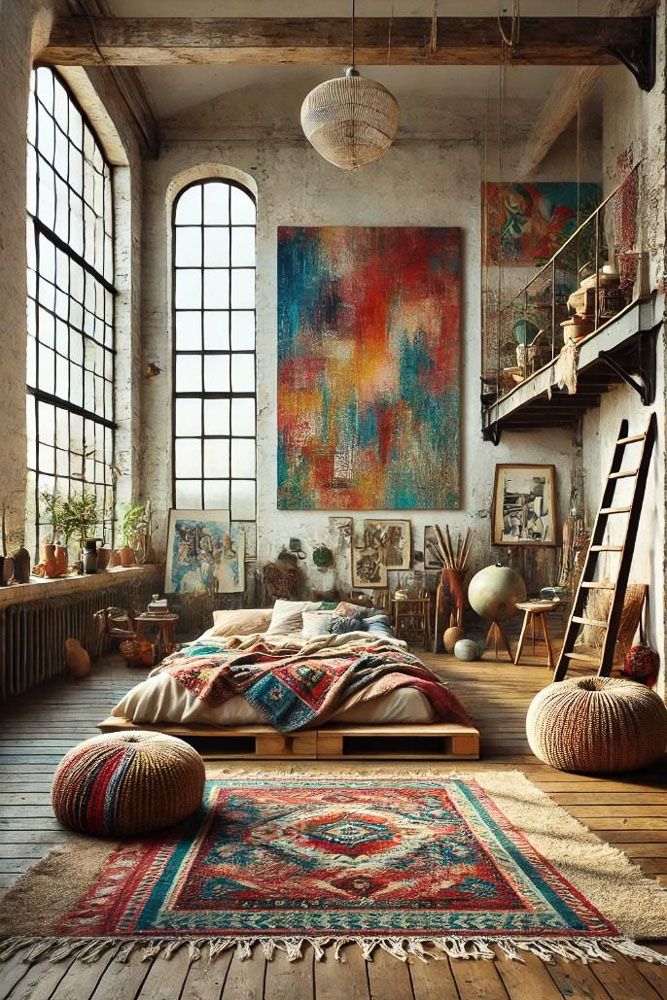
There is a growing desire for homes with a sense of soul and cultural depth. Artisan maximalism celebrates handcrafted pieces like block printed textiles, carved wood panels, terracotta pottery, metal inlay work and contemporary craft commissions. The trend supports Indian artisans while bringing uniqueness back into urban interiors.
A fascinating convergence is happening here. Indian design sensibilities are blending beautifully with global trends. Global minimalism is being adapted with Indian craftsmanship like handwoven textiles, carved wood, brass accents, terracotta and stone inlays, but with modern silhouettes. Local sourcing is gaining momentum too, with consumers preferring locally made decor and materials that support Indian craftsmen while minimising environmental impact.
Also Read: The Crafts of India: Bringing Ancient Stories Home
10. Transitional spaces
Transitional zones are the new luxury in compact apartments. Balconies, terraces and partially open rooms are being transformed into reading corners, micro offices, meditation decks or plant filled nooks. Folding glass partitions, weather friendly furniture and vertical gardens help blur the line between indoors and outdoors.
Also Read: Hall Partition Design Ideas for Indian Living Rooms
What’s fading out
Not everything from 2025 will carry forward. Several trends are becoming oversaturated. All grey interiors are losing ground to warmer tones, overdone boho aesthetics are giving way to more refined looks, and high gloss gold and mirror finishes are being replaced by brushed, aged metals. Maximalist clutter and showroom perfect homes are also on their way out. People want homes that feel lived in and authentic, not styled for a photoshoot.
The digital craft frontier
Perhaps the most unexpected trend for 2026 is what’s being called “digital craft,” a fusion of AI and handmade aesthetics that represents something genuinely new. “We’re seeing AI-generated patterns translated into cushions, rugs and wallpapers, parametric lighting and wall sculptures, and uniquely shaped furniture that feels both organic and futuristic,” say Sunanda Pandey and Rashmi Singh. “It’s where technology meets artisan sensibility.”
Materials taking centre stage
The material story of 2026 leans heavily into texture and authenticity. Expect more textured raw stone, warm mid tone woods, limewash and clay paints, and brushed aged metals. Natural imperfection is becoming desirable. People want to see the hand of the maker, the variation in the material. It adds character that mass produced finishes simply can’t match.
Quiet luxury evolves
The quiet luxury trend is maturing beyond just neutrals and minimalism. It’s becoming more timeless and refined, defined by high-quality, long-lasting pieces, rich textures like brushed wool and linen blends, and sculptural metal lamps. It’s about investment pieces that age beautifully rather than trendy items that date quickly.
Also Read: Luxury 101: Modern, Opulent Design Ideas for Your Master Bedroom
Nature beyond plants
Nature infused living is expanding beyond the obvious. The approach is moving beyond just adding plants. Sage, olive and moss infused palettes, stone accents and art inspired by landscapes are bringing nature in through colour, texture and form. It’s a more sophisticated, integrated approach.
If 2025 taught us anything, it is that design evolves fastest when life does. The year ahead promises homes that are warmer, smarter and far more personal, shaped as much by mood and behaviour as by aesthetics. Whether you lean towards terracotta walls, sculptural furniture, the digital craft revolution or the quiet charm of Granny Chic 2.0, the guiding principle of 2026 is simple. Choose what feels good, functions well and reflects your everyday rituals. Trends may come and go, but a home that understands you never goes out of style.
How can Livspace help you?
- 100,000+ happy homes designed with expertise and trust
- Operational in 100+ cities across India for seamless service
- 3,500+ designers and professionals bringing your dream home to life
Finding the right designs for your dream home is not an easy feat. The good news? You don’t have to figure it out alone, and you definitely don’t need to make expensive mistakes that’ll haunt you every time you walk into your home. Visit our interior designers near you, to start your journey.
Looking for tailor-made costs for your home? Hit our Cost Calculator to jump into your financial planning.
Need inspiration beyond your current Pinterest spiral? Check out Design Ideas for professionally curated looks that actually translate to Indian homes and lifestyles.
Want to see what real people think? We have designed over 75,000+ homes. Browse through Livspace reviews from customers and hear what they have to say about us.
Ready to take the next step? Find an interior designer near you and let’s get started.


