

In This Article
- Is it good to have a water fountain inside the house?
- Now, are there disadvantages of indoor water fountains?
- Do indoor water fountains create negative ions?
- Should an indoor water fountain run all the time?
- Are water fountains healthy?
- Do water fountains use a lot of electricity?
- Where is the best place to put an indoor fountain?
- Should I turn off my fountain at night?
- How long can a water fountain last?
- So, ready to take the plunge?
- The dos and don’ts
- How can Livspace help you?
Picture this: you walk into your living room after a stressful day. Instead of silence, you’re greeted by the gentle trickle of water. Your shoulders drop. Your breathing slows. That’s the magic of an indoor water fountain.
But before you rush off to buy one, let’s explore everything you need to know about these liquid mood-boosters.
Is it good to have a water fountain inside the house?
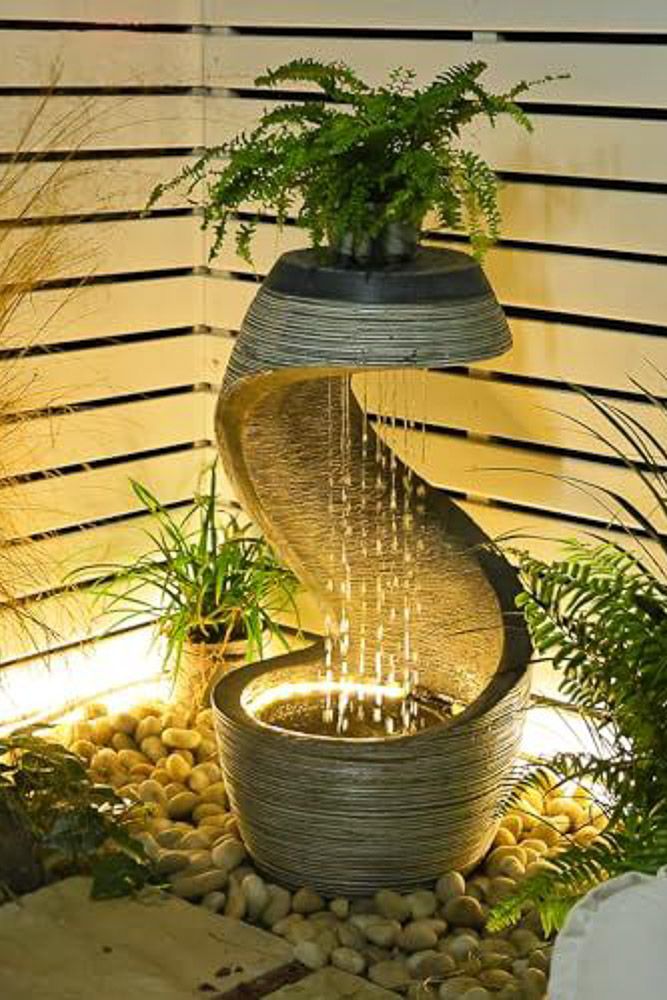
According to Feng Shui experts, flowing water symbolises prosperity and wealth. So, not only does an indoor water fountain offer a focal point in your decor, it also promotes good fortune!
So, we would say – absolutely brilliant idea, actually.
An indoor fountain transforms your home decor into a mini oasis. The sound alone can mask annoying street noise or that neighbour’s telly. Plus, they add moisture to dry air – perfect for winter when your skin feels like sandpaper.
Your water fountain living room setup becomes an instant conversation starter. Guests can’t help but gravitate towards the soothing sounds. It’s like having nature’s own white noise machine, but prettier.
Now, are there disadvantages of indoor water fountains?
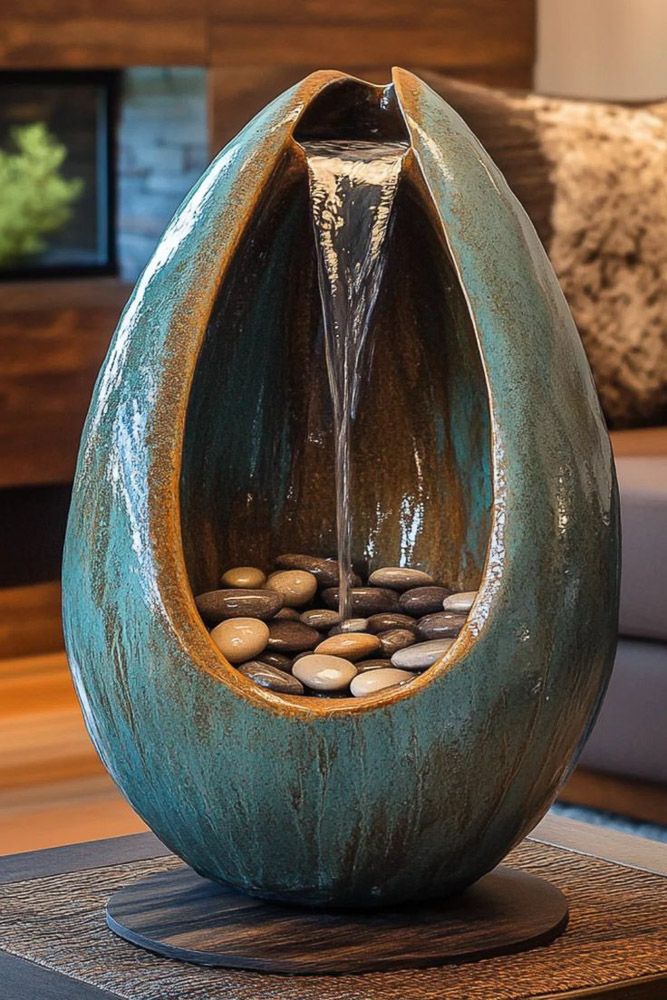
Let’s be honest – they’re not all sunshine and rainbows. But these challenges are completely manageable with a bit of know-how.
First up: maintenance. Your indoor waterfall fountain needs regular cleaning unless you fancy growing a science experiment. Algae loves still water, and mineral deposits can turn your zen feature into a crusty eyesore. The fix? A simple weekly wipe-down and monthly deep clean sorts it right out. Add a few drops of fountain cleaner, and you’re golden.
Then there’s the splash factor. Some fountains are messier than a toddler with finger paints. Water can damage wooden floors or create slip hazards. Easy solution: place a waterproof mat underneath and choose fountains with contained water flow. Problem solved before it starts.
Space is another consideration. That gorgeous indoor waterfall for house might look stunning in the shop but dwarf your actual living room. Measure twice, buy once – and your fountain will fit like it was made for the spot.
Also Read: How Often Should You Clean Everything?
Do indoor water fountains create negative ions?
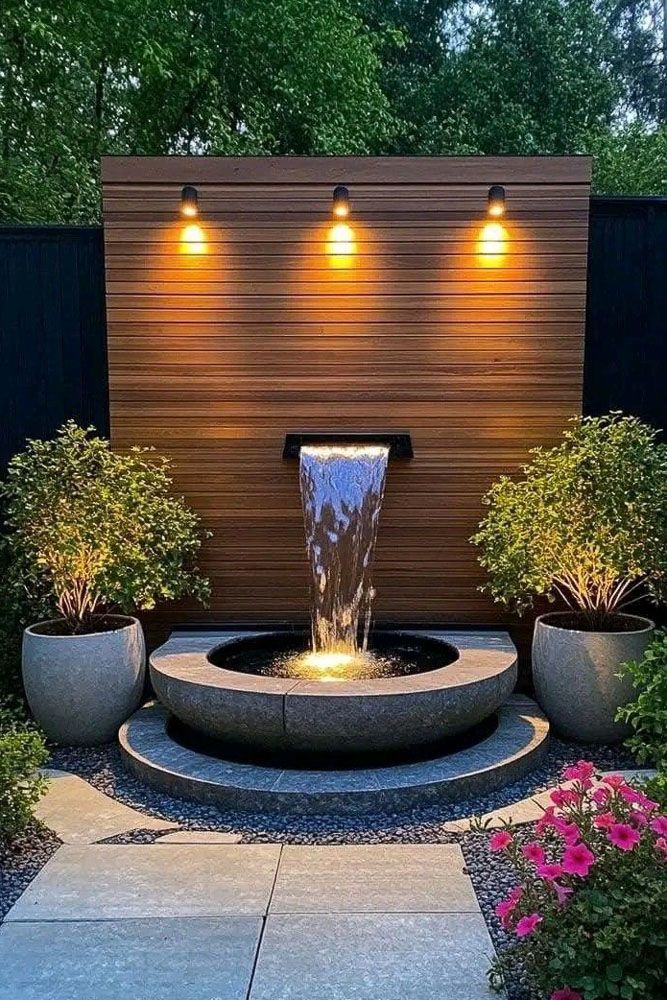
Here’s where science meets serenity.
Moving water does generate negative ions – those feel-good particles you experience near waterfalls or after thunderstorms. Your indoor waterfall creates a mini version of this effect.
These ions help purify air and boost your mood. Think of it as nature’s own air freshener, minus the chemical smell.
Also Read: 7 Spots to Keep Air-Purifying Plants at Home
Should an indoor water fountain run all the time?
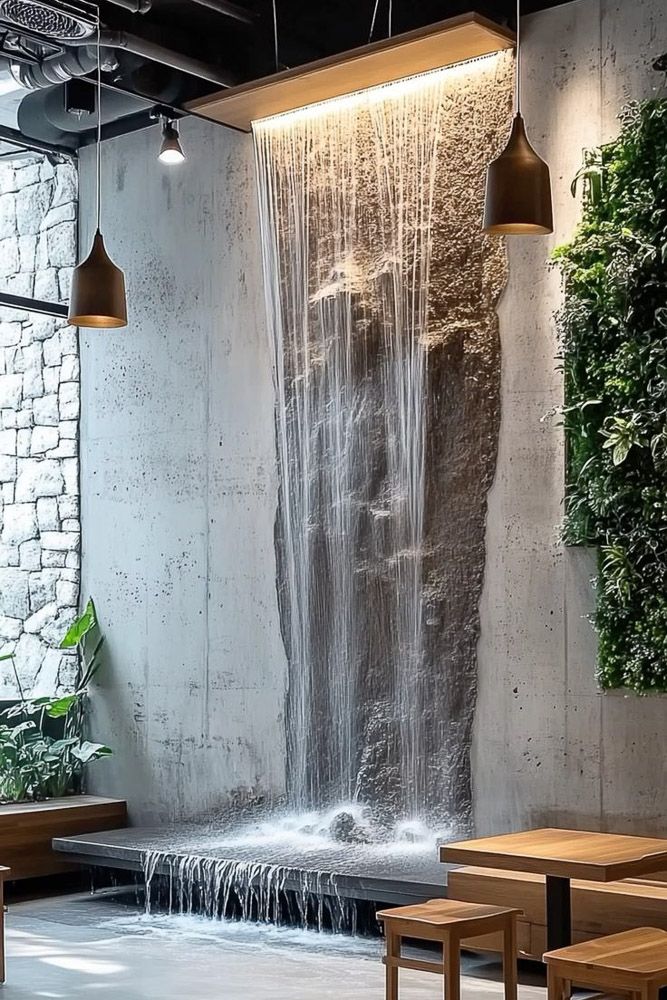
Most fountain enthusiasts say yes – keep it flowing.
Continuous operation prevents stagnant water, which breeds bacteria faster than gossip spreads. Plus, you get consistent benefits: steady humidity, constant negative ions, and uninterrupted ambience.
Your pump actually prefers running continuously too. Stop-start cycles can wear out motors quicker than constant use. It’s like your car engine – better for longer journeys than short hops.
Are water fountains healthy?
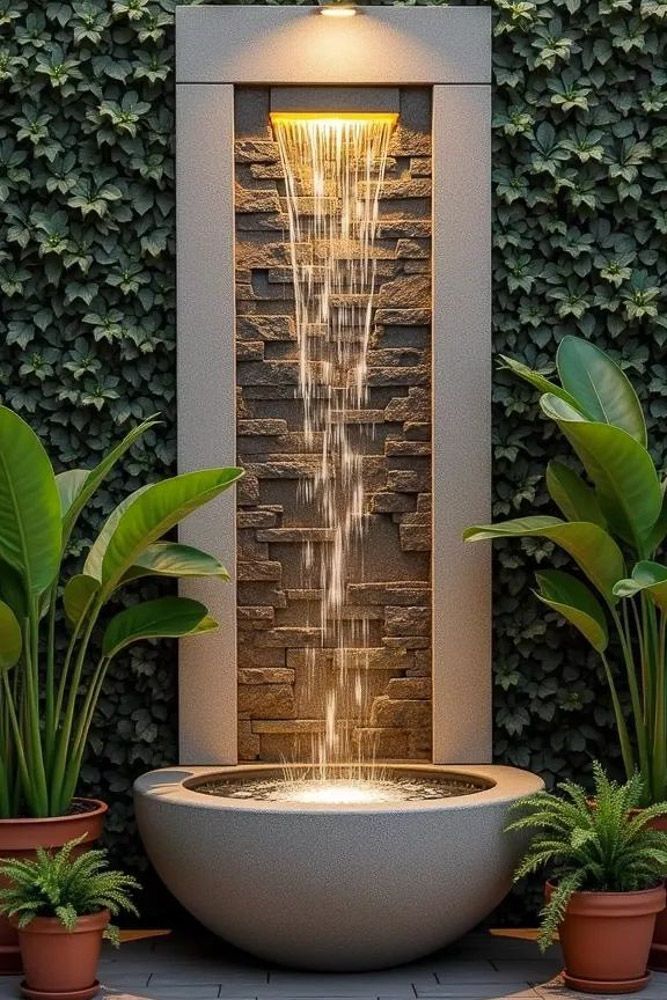
Generally speaking, yes – with proper care.
Clean fountains add beneficial humidity to dry indoor air. This helps your skin, respiratory system, and even houseplants. The negative ions might provide subtle mood benefits too.
But neglected fountains become breeding grounds for nasties. Legionella bacteria can lurk in dirty water systems. Keep yours pristine, and you’ll reap the rewards without the risks.
Do water fountains use a lot of electricity?
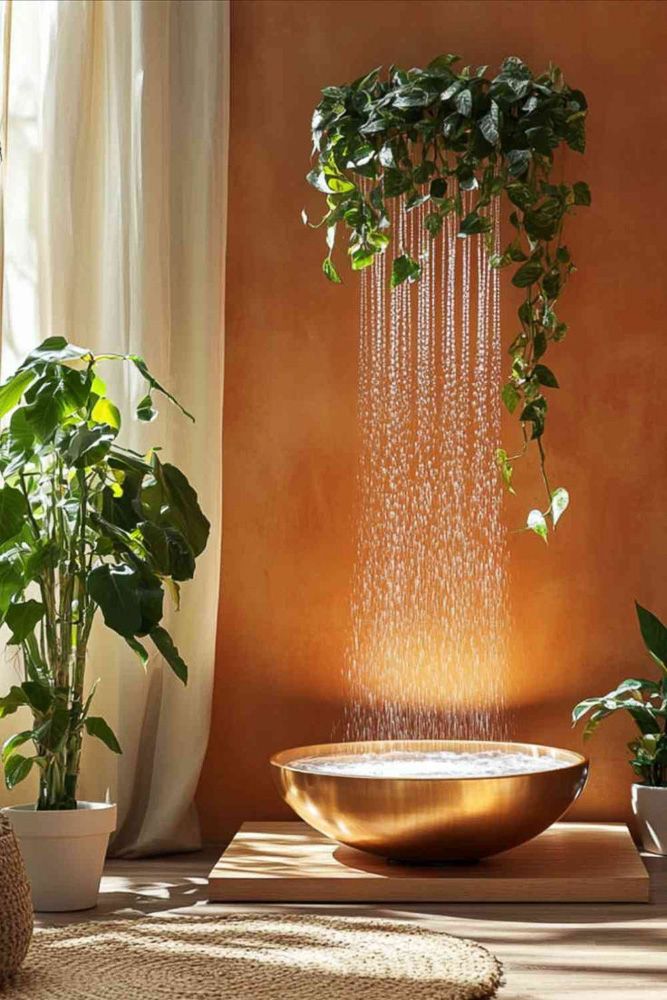
We’re happy to tell you that they are surprisingly economical, actually.
Most indoor fountain pumps use less electricity than a standard light bulb. We’re talking pennies per day, not pounds. Your Buddha water fountain indoor setup won’t send your energy bills through the roof.
LED lighting (if included) barely registers on your metre. The biggest energy user might be a built-in misting system, but even those are relatively modest.
Where is the best place to put an indoor fountain?
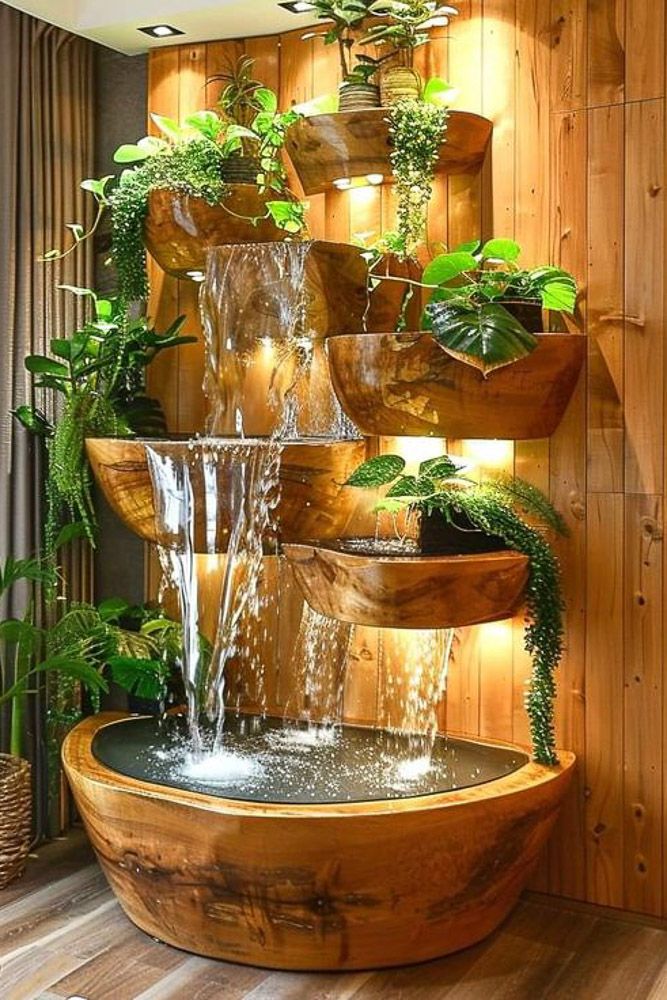
Location, location, location – it matters for fountains too.
Your living room often works brilliantly. It’s where you relax and entertain, so maximum benefit for maximum people. Just avoid direct sunlight, which encourages algae growth faster than you can say “green slime.”
Away from electronics is crucial. Water and gadgets don’t mix well. Keep splashing fountains away from your TV unit, sound system, or computer.
For bedroom designs, consider the sound level. Some people find trickling water soothing for sleep. Others find it has the opposite effect – if you catch our drift.
A Ganesh water fountain for home often works well in entrance areas, combining spiritual significance with practical benefits.
Should I turn off my fountain at night?
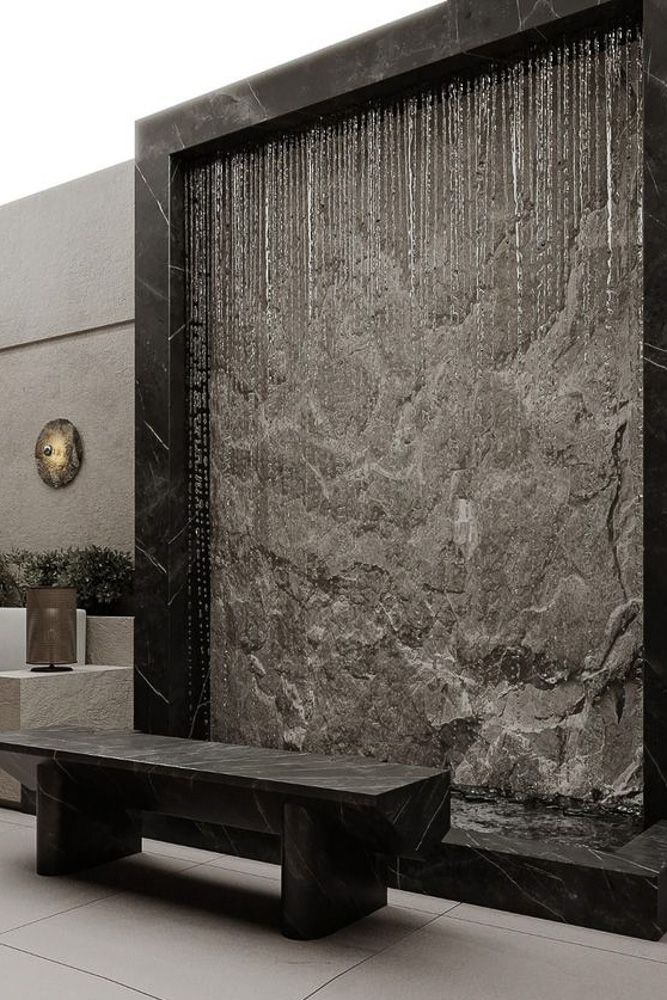
This depends entirely on you.
Sound-sensitive sleepers might prefer nighttime silence. If your fountain for bedroom keeps you awake, switch it off. Your sleep matters more than continuous operation.
However, if the sound helps you drift off, leave it running. Many people find water sounds more relaxing than street noise or creaking houses.
Consider a timer switch for the best of both worlds. Run it during waking hours, then automatic shut-off for peaceful nights.
How long can a water fountain last?
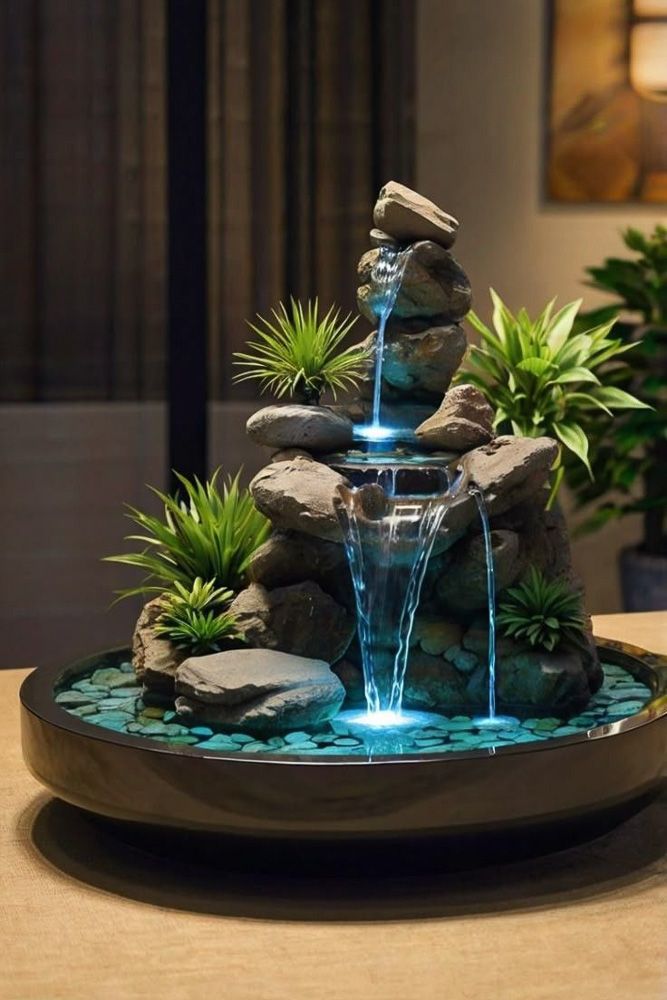
With proper care, decades.
Quality indoor fountains are built to last. Stone and ceramic versions often outlive their owners. Even resin fountains can serve faithfully for years with basic maintenance.
The pump is usually the first component needing replacement. Good news: replacement pumps cost a fraction of buying new fountains. It’s like changing your car’s tyres – routine maintenance, not disaster.
Clean water, regular maintenance, and quality components equal fountain longevity. Treat yours well, and it’ll return the favour with years of peaceful burbling.
Also Read: Raising Style Quotient with Textured Wall Paint and Textured Wallpaper
So, ready to take the plunge?
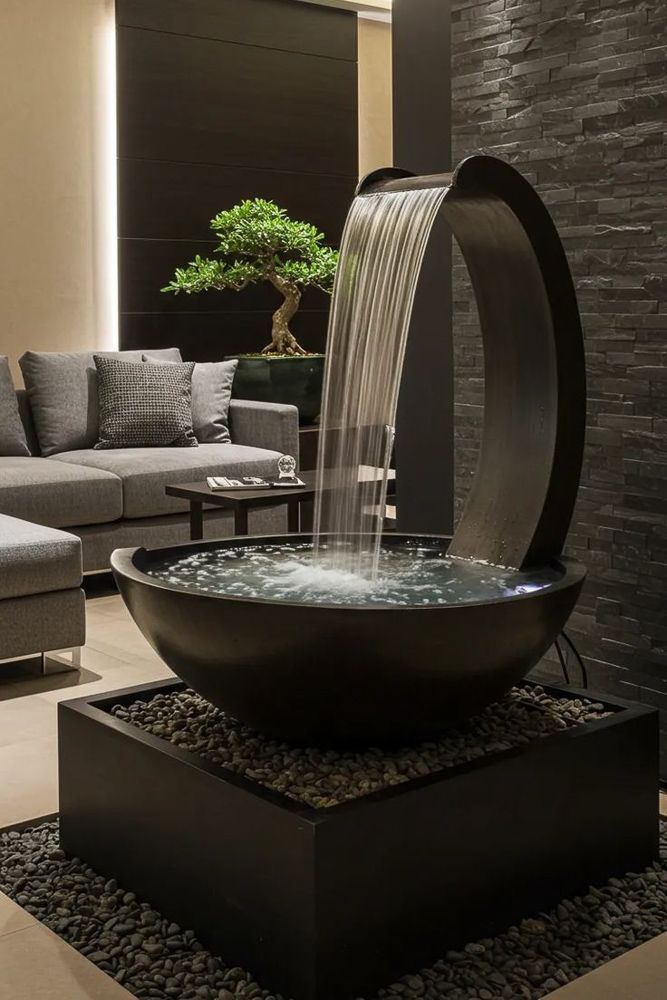
Indoor water fountains aren’t just decorative pieces – they’re mood enhancers, air improvers, and stress busters rolled into one. Yes, they need care and attention, but what worthwhile things don’t?
Whether you choose a minimalist tabletop water fountain or go bold with an indoor waterfall, you’re investing in daily moments of calm. In our hectic world, that’s worth its weight in gold.
Just remember: measure your space, consider your lifestyle, and choose quality over flashy features. Your future zen-filled self will thank you.
The dos and don’ts
Dos:
- Water fountain indoor Vastu rules and Feng Shui principles recommend that you place your fountain at the entrance so it can deflect negative energies but capture the right ones
- Clean your fountain as frequently as you can. Any kind of stagnation or impurity affects the energy of your home. Remember the magic is in the flowing water of your indoor fountain
Don’ts
- Don’t place the fountain at the centre of your home, as it impacts the potential of your flowing-water feature in the house
- Also avoid putting these fountains in your bedrooms and bathrooms as it can cause troubles in your personal life
How can Livspace help you?
We hope our article on indoor water fountains has inspired you to upgrade your home decor! Book an online consultation with Livspace today and get started.
- We’ve given over 2,000 homes and homeowners their dream interiors
- We provide Luxury Vinyl Tiles (LVT), HDF laminated flooring, and Stone Polymer Composite flooring with high quality materials at attractive prices
- Our flooring options come with a one-year warranty


